
Conservation Assistance
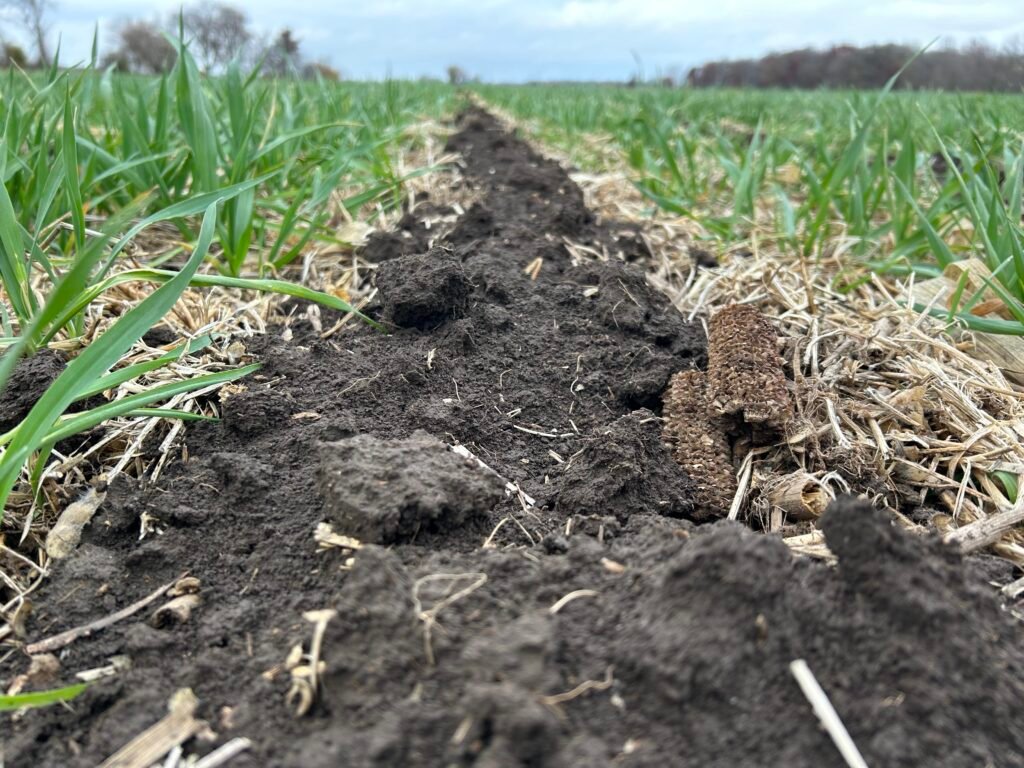
Conservation Practices Cost-Share Program
Conservation practices, such as terraces, filter strips and grass waterways, are aimed at reducing soil loss on Illinois cropland to tolerable levels. The Agriculture Department distributes funding for the cost-share program to Illinois’ soil and water conservation districts (SWCDs), which prioritize and select projects. Construction costs are divided between the state and landowners.
Eligible Conservation Practices
Cover crops
Critical area planting
Diversions
Field border strips
Filter strips
Grade stabilization structures
Grassed waterways
No-till planting systems *
Nutrient management planning/implementation
Pastureland and hay land plantings*
Terraces *
Water and sediment control basins
* some restrictions apply
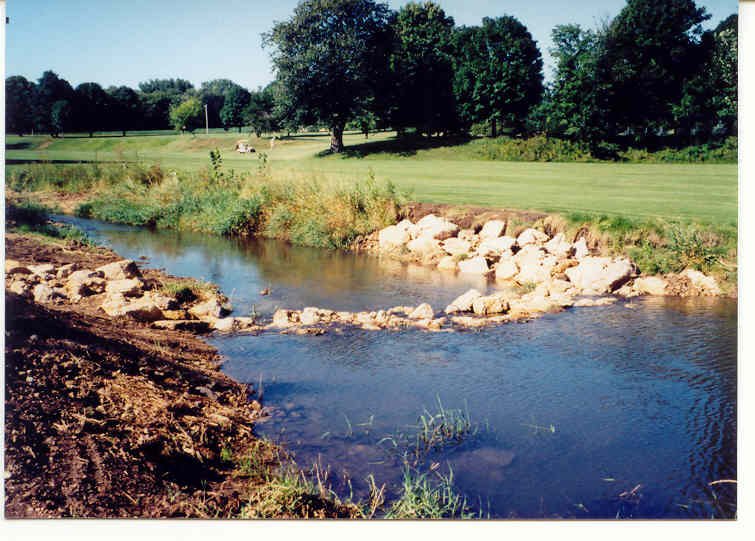
Stream Bank Stabilization and Restoration Program (SSRP)
Stream bank erosion is a natural wearing away of soil and rock from stream banks. This natural process has been accelerated by activities that increase drainage water flow and water velocity, including stream channelization and straightening, removal of stream side vegetation, and construction of impervious surfaces. Stream bank erosion, a major source of sediment buildup in bodies of water, threatens soil, water, plant and animal resources. It decreases the depth and holding capacity of lakes and reservoirs and reduces stream channel capacity, which increases the likelihood of flooding and additional stream bank erosion. Excessive flooding degrades water quality and damages fish and wildlife habitat.
The stream bank stabilization and restoration program is designed to demonstrate effective, inexpensive vegetative and bio-engineering techniques for limiting stream bank erosion. Program monies fund demonstration projects at suitable locations statewide and provide cost-share assistance to landowners with severely eroding stream banks. The Illinois Department of Agriculture, Illinois’ soil and water conservation districts (SWCDs) and the Natural Resources Conservation Service of the U.S. Department of Agriculture (NRCS) serve as partners in implementing the program.
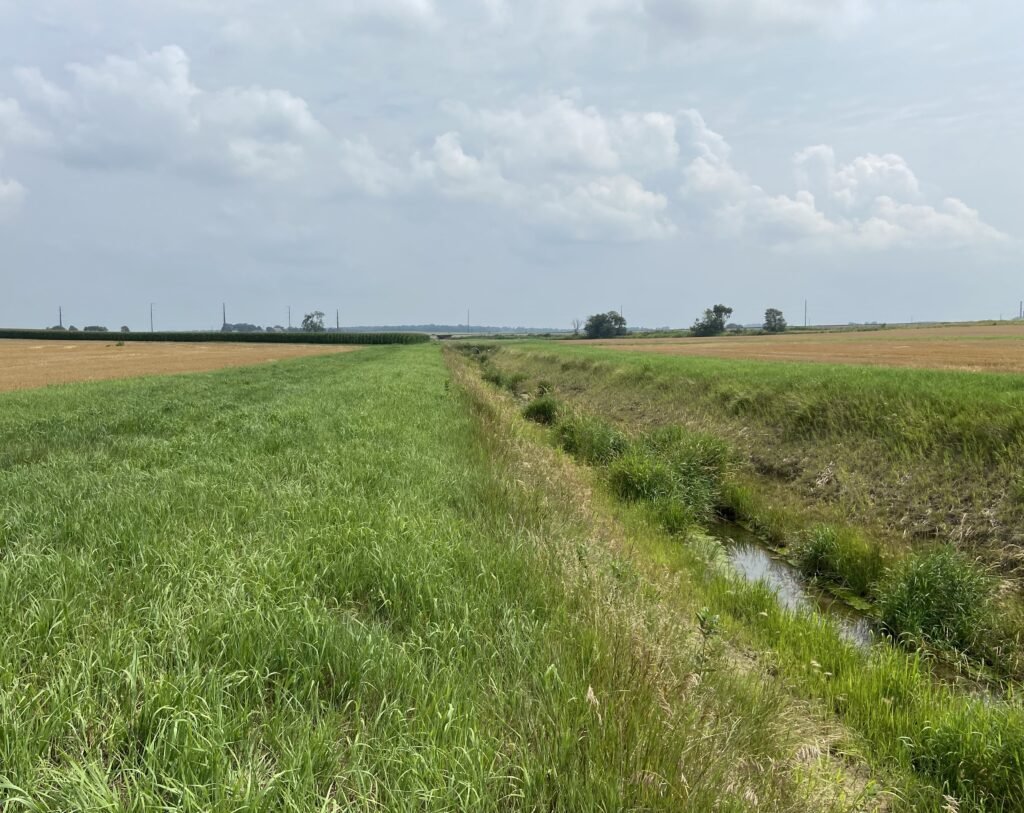
Vegetative Filter Strip Tax Incentive Program
(Illinois 35 ILCS 200/10-152)
Illinois law provides property tax reductions for land enrolled as vegetative filter strips. The program became effective January 1, 1997 and requires that filter strips meet NRCS (Natural Resources Conservation Service) standards.
The vegetative filter strip legislation sets the following criteria for land eligible to be certified as a vegetative filter strip:
1. A strip or area of permanent, herbaceous vegetation situated between cropland or grazing land and environmentally sensitive areas including lakes, streams, rivers, and ponds
2. The width of the filter strip must be determined by the slope of the land on which the vegetative strip is located (based on NRCS standards)
3. The filter strip must be part of a conservation plan and must provide uniform ground cover, have a heavy fibrous root system, and tolerate pesticides used
in farm fields
Certification and Tax Reduction
Soil and Water Conservation Districts (SWCDs) evaluate and certify filter strips that meet all criteria. Once certified, the landowner becomes eligible for a reduced property tax assessment on the filter strip area.
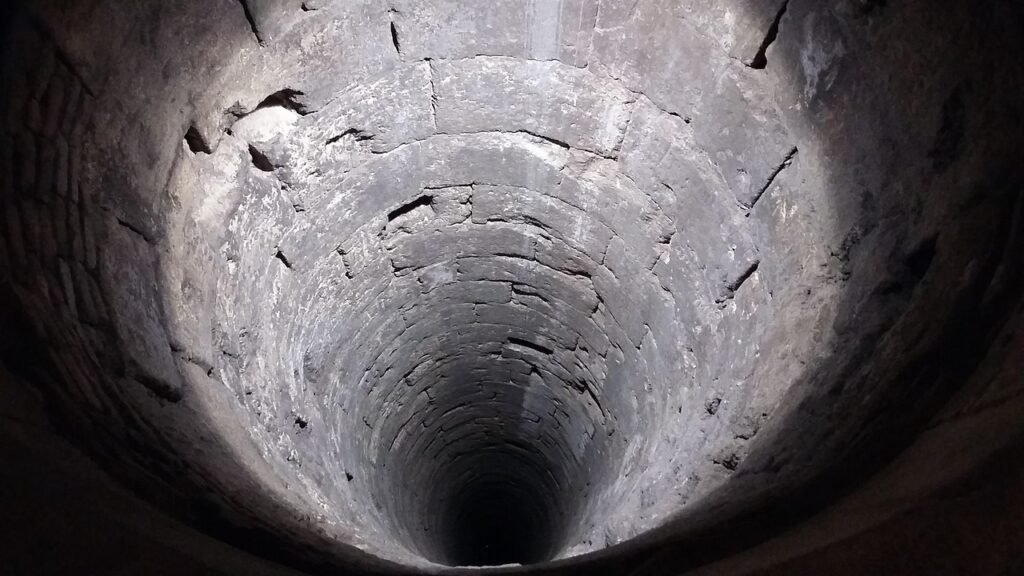
Illinois Water Well Abandonment Practice (IWWAP)
The purpose of the Illinois Water Well Abandonment Practice is to provide technical and financial assistance to owners of improperly abandoned wells who wish to seal those wells to protect groundwater from potential contamination. This goal is consistent with the five-year goal of the Illinois Water Well Sealing Coalition to double the current rate at which abandoned water wells are being sealed within the date, particularly in rural areas.
The Ogle County SWCD may have cost-share assistance available through funding provided by the IL Department of Agriculture.
Please be sure to contact us before you start your project to see if you are eligible for funding.
USDA Farm Bill Programs
We at the Ogle County SWCD can assist with both State and Federal conservation programs.
Our building is home to both the USDA Natural Resource Conservation Service (NRCS) and Farm Service Agency (FSA).